
Braces vs. Invisalign for Teens: Which Treatment Matches Your Teen's Lifestyle?
Choosing between braces and clear aligners is usually less about trends and more about control, consistency, and the type of tooth movement needed. For many families, the real question is not which option looks better. It is which option gives a teen the best chance of finishing treatment on time with a healthy bite.
When comparing braces vs. Invisalign for teens, both can straighten teeth effectively. The better choice depends on how complex the crowding or bite issue is, how reliably the aligners would be worn, and how well the teen is likely to keep up with cleaning and follow-up visits.
Empower Dental Rancho offers orthodontic options in Rancho Cucamonga and provides braces and aligner options that may fit your teen's needs.
How the Two Orthodontic Systems Move Teeth
Braces use small brackets attached to the teeth and a wire that applies steady force over time. That force reshapes the bone around the roots, allowing teeth to move into a better position. This process is called bone remodeling.
Invisalign uses a series of custom plastic trays called aligners. Each set is slightly different and is designed to move teeth in small stages. Because the trays are removable, treatment depends heavily on daily wear time.
From a biomechanical standpoint, braces give the orthodontic provider more direct control because the system stays on the teeth all day. Aligners can also be precise, but some movements are less predictable if the trays are not worn as directed.
When Braces Tend to Work Better
Metal braces often make more sense when tooth movement needs to be highly controlled. This may include significant crowding, major tooth rotation, teeth that have not erupted ideally, or bite problems involving the front or back teeth.
They are also useful when compliance is a concern. Since braces stay in place, treatment keeps working even when motivation slips. In real life, that matters more than many families expect.
Bite Correction and Complex Movement
Some teens need more than straighter front teeth. They may need correction of an overbite, underbite, crossbite, or open bite. These are alignment problems involving how the upper and lower teeth fit together, not just how the smile looks.
In those cases, braces may offer more predictable control for complex bite changes. Rubber bands and other orthodontic attachments can also be used more consistently with fixed appliances.
Teens Who May Lose or Forget Aligners
A removable system works only when it is actually in the mouth. If aligners are left in a napkin at lunch, removed for sports, or skipped during long evenings, tooth movement can slow down or become less accurate.
That does not mean Invisalign is a poor option for teens. It means braces may be the safer choice when follow-through is uncertain.
When Invisalign May Be a Better Fit
Invisalign can be an excellent option for teens with mild to moderate crowding or spacing and good daily habits. It is especially appealing when appearance matters for school, photos, sports, or social confidence.
Because the trays are removable, brushing and flossing are usually easier than with braces. That can reduce plaque buildup around brackets and may help protect the gums during treatment.
Comfort and Day-to-Day Convenience
Clear aligners have smooth plastic edges and no wires, so they often cause less irritation to the cheeks and lips. There is still pressure when switching to a new set, but many teens find that easier to manage than wire adjustments.
Food restrictions are also simpler. Since aligners are removed for meals, crunchy or sticky foods are less of an issue than they are with braces.
Appearance and Confidence
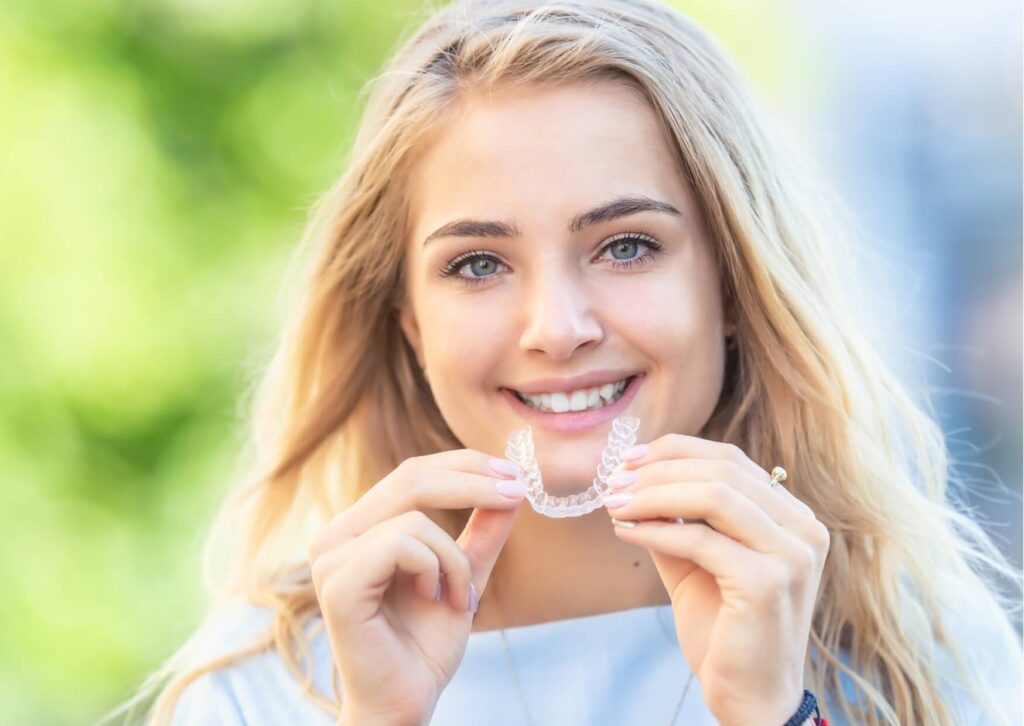
For some teens, the biggest benefit is that aligners are less noticeable. That can support teen confidence during treatment, which is a meaningful factor for many families.
Still, the cosmetic advantage only helps if the trays are worn consistently. Invisalign depends on disciplined daily wear, usually most of the day and night except during meals and cleaning.
Why Compliance Matters So Much
This is where many treatment plans succeed or stall. Braces remove much of the daily decision-making because they are fixed in place. Invisalign shifts part of that responsibility to the patient.
For a responsible teen, that can work very well. For a teen who often misplaces things, snacks frequently, or dislikes routines, removable aligners may create avoidable delays. Research shows aligner results can be impacted by wear time, which is one reason consistency matters so much.
Orthodontists sometimes use small tooth-colored bumps called attachments to help aligners grip the teeth better. These can improve certain movements, but they do not replace the need for consistent wear.
A practical rule is simple. If the teen can reliably wear retainers, sports gear, or other daily devices as directed, Invisalign may be realistic. If not, braces may offer a better path to a stable result.
Cleaning, Cavities, and Gum Health During Treatment
Orthodontic treatment can make oral hygiene more complicated, and this deserves close attention. Straight teeth are valuable, but not at the cost of enamel damage or inflamed gums.
Braces create more places for plaque to collect around brackets and wires. Plaque is a bacterial film that can lead to cavities, gum irritation, and white spot lesions, which are chalky marks caused by early enamel mineral loss.
Invisalign usually makes brushing and flossing easier because the trays come out. That said, aligners can still trap saliva and bacteria against the teeth if they are put back in after eating without proper cleaning.
For teens with a history of poor brushing, either option can become a problem. Regular dental checkups and professional cleanings help the care team monitor hygiene and catch early issues before they become serious. For practical daily routines, see our dental hygiene tips.
Studies on the incidence of white spot lesions also support the need for close hygiene monitoring during orthodontic treatment. Healthy teeth and gums during orthodontic treatment depend more on daily hygiene than on the appliance itself.
If signs of gum inflammation appear, prompt gum treatment can protect long-term oral health and support a successful orthodontic outcome.
Treatment Time and Predictability
Families often want to know which option is faster. The honest answer is that treatment time depends on the starting bite, the treatment goals, and how consistently instructions are followed.
Braces may be more efficient in complex cases because they allow continuous force with fewer interruptions. Invisalign can also be efficient in selected cases, but missed wear time can extend treatment or require refinement trays, which are extra aligners used to fine-tune the result.
Some teens begin with one system and later need adjustments to the plan. That is not necessarily a failure. It is part of managing biology, growth, and real-world behavior.
Cost Differences and What Families Should Compare
The price difference between braces and Invisalign varies by region, case difficulty, and the provider's treatment approach. In many markets, the total cost is similar. In others, Invisalign may be somewhat higher.
The more useful comparison is not just the initial fee. Families should ask what is included, such as records, emergency visits, refinement aligners, retainers, and follow-up after active treatment.
A lower quote is not always a better value if the case is complex or likely to need additional phases. Predictability and supervision often matter more than choosing the lowest number.
Questions Worth Asking at the Orthodontic Consultation
A good consultation should explain not only what can be done, but why one option is being recommended over the other. If the explanation sounds vague, ask for more detail.
Useful questions include:
- Which bite problems need to be corrected, not just which teeth need to look straighter?
- Is this case considered mild, moderate, or complex?
- What parts of the plan depend on excellent aligner wear?
- What happens if trays are lost or not worn enough?
- How will oral hygiene be monitored during treatment?
- Will extra refinement or finishing steps likely be needed?
- What type of retainer will be needed after treatment?
Also ask who will manage your child's care, is it an orthodontist or a general dentist? Read more on orthodontist vs. dentist.
These questions often reveal whether the recommendation is based on convenience, appearance, or true biomechanical fit. For a broader patient-friendly comparison, the American Association of Orthodontists offers guidance on which option may be the best fit.
Red Flags That Should Not Be Ignored During Orthodontic Treatment
Some discomfort is normal with both braces and aligners, especially after adjustments or new trays. Severe pain, swelling, bleeding that does not improve, a loose permanent tooth, or signs of infection are not routine and should be assessed promptly.
A broken bracket, poking wire, cracked aligner, or sudden change in the bite also deserves attention. If a teen cannot close properly, develops worsening jaw pain, or has significant or persistent mouth sores, contact the treating office or seek emergency dental care for urgent problems.
Urgent evaluation is especially important after dental trauma, such as a sports injury or fall. Orthodontic appliances can affect how force is distributed to the teeth, so a professional exam matters.
Which Option Makes the Most Sense for Most Teens?
There is no universal winner in the braces versus Invisalign discussion. Braces usually offer stronger control and less dependence on daily discipline. Invisalign often offers better aesthetics and easier hygiene, but only when wear habits are reliable.
For a teen with complex bite issues or inconsistent routines, braces may be the more efficient and dependable choice. For a teen with mild to moderate alignment needs and strong follow-through, Invisalign may deliver an excellent result with less visual impact.
The best next step is a personalized orthodontic consultation that looks at tooth position, jaw relationship, eruption pattern, and habits. A well-matched treatment plan is more important than choosing the more popular appliance.
For a personalized orthodontic consultation at Empower Dental Rancho in Rancho Cucamonga (serving families from nearby Upland and Pasadena), call (909) 378-8677 to schedule.
FAQs
Is Invisalign as effective as braces for teens?
Invisalign can be very effective for many teens, especially in mild to moderate cases. Braces may still be more predictable for certain complex tooth movements and bite corrections.
Do braces work faster than Invisalign for teens?
Sometimes, especially in more complex cases or when aligner wear is inconsistent. In simpler cases with excellent compliance, treatment time may be similar.
Is Invisalign less painful than braces?
Many teens find Invisalign more comfortable because there are no brackets or wires rubbing the cheeks and lips. Both options can cause pressure and soreness as teeth move.
Which is easier to keep clean, braces or Invisalign?
Invisalign is usually easier to clean around because the trays are removable for brushing and flossing. Braces require more careful cleaning around brackets and wires.
Can a teen switch from Invisalign to braces?
Yes, in some situations a treatment plan may change if the case proves more complex than expected or if aligner wear is not consistent enough. That decision should be made by the treating orthodontist.
Related Articles
Many parents assume orthodontic care starts after all permanent teeth come in. In reality, some…
Dental implants are built to be a long-term tooth replacement. In many cases, the implant…
A bone graft is not automatically part of implant treatment, but it is common. You…
A beautiful smile starts with good oral hygiene, and continues beyond the dentist chair. Whole…
Flexible Payment Options
Get started in minutes with no impact on your credit—plus take advantage of 0% APR financing for up to 24 months.
- Quick approval process
- Soft credit check only—no effect on your score
- Apply funds to any dental service
Click below to check your eligibility—completely risk-free.