
How Long Do Dental Implants Last?
Dental implants are built to be a long-term tooth replacement. In many cases, the implant post itself can last for decades.
Not every part of the restoration lasts the same amount of time, though. Long-term success depends on daily care, bite forces, bone support, and gum health.
A helpful way to think about implant longevity is to separate the parts. The titanium implant in the jawbone may stay stable for many years, while the crown attached to it may need repair or replacement sooner because it handles daily chewing wear.
At Empower Dental Rancho in Rancho Cucamonga, our dental implants team provides the full-service dental care many patients look for.
The Short Answer Most Patients Want
For many healthy patients, dental implants can last 20 years or longer. Many continue functioning well beyond that with good home care and regular follow-up.
Research shows strong long-term survival rates, especially when the implant integrates well with bone and the patient maintains healthy gums. That long lifespan usually refers to the implant post, not every part attached to it.
The crown is often the part that needs attention first. Porcelain, ceramic, or composite materials can chip, loosen, or wear down over time.
That is why the better question is not just how long dental implants last, but which part of the implant system is being discussed. A stable implant can still need a new crown, a bite adjustment, or gum treatment without meaning the implant itself has failed.
What “Lasting” Means With Dental Implants
An implant is considered successful when it stays stable, comfortable, and functional. Dentists also look for healthy bone and gum support around it.
They want to see no ongoing infection, no progressive bone loss, and no repeated mechanical problems. An implant may still be in place but not truly doing well if those issues are present.
You may also hear the term osseointegration. This means the implant surface has bonded directly with the jawbone, creating the biological support that allows it to handle chewing forces.
How Long Each Part Usually Lasts
| Implant Component | Typical Longevity Pattern | What Commonly Affects It |
| Implant post | Often 20+ years, sometimes lifelong | Bone quality, smoking, gum disease, overload, healing quality |
| Crown | Often 10 to 15 years or longer | Wear, chipping, grinding, bite stress, material type |
| Abutment | May last many years but can need replacement if loosened or damaged | Mechanical stress, fit, screw issues |
| Surrounding bone and gums | Must remain healthy continuously | Plaque buildup, inflammation, diabetes, smoking, missed cleanings |
This table shows why implant lifespan is not a single number. The crown often wears out before the implant post, especially in people who clench or grind their teeth.
That is common in real practice and does not automatically mean the treatment failed. Replacing a worn crown on a stable implant is very different from losing the implant itself.
Why Some Implants Last Decades and Others Do Not
Implants do best when both biology and mechanics are working in their favor. The bone must heal tightly around the implant, and the restoration must distribute chewing pressure in a way the implant system can tolerate over time.
Natural teeth have a periodontal ligament, which acts like a small cushion between the tooth and bone. Implants do not have that cushion, so they can be less forgiving when bite forces are excessive or poorly directed.
That is one reason heavy grinding can lead to screw loosening, crown fracture, or bone stress sooner than expected. The implant may be strong, but the full system still depends on force control.
The Biggest Factors That Affect Dental Implant Lifespan
Gum Health and Plaque Control
Inflammation around implants is one of the biggest threats to long-term success. Plaque can trigger peri-implantitis, an inflammatory condition that can lead to bone loss if it is not treated.
Timely gum treatment is important when inflammation appears. Early care can help stop progression and protect the support around the implant.
Peri-implantitis can develop quietly. Bleeding when brushing, tenderness, bad taste, or gum recession around the implant should not be ignored.
Daily plaque control matters. For practical guidance, review our dental hygiene tips.
Smoking and Nicotine Exposure
Smoking and nicotine use can reduce blood flow, slow healing, and increase the risk of implant complications. This matters most during healing, but it can also affect long-term tissue stability.
Over time, inflamed tissues are less predictable and less resilient. That can make it harder for an implant to stay healthy for decades.
Teeth Grinding and Bite Overload
Clenching and grinding place repeated stress on the crown, abutment, and surrounding bone. Many people do not realize they grind until a dentist sees wear, fractured porcelain, or recurring screw loosening.
Bone Quality and Implant Position
An implant placed in a strong bone and in a well-planned position usually has a better long-term outlook. Poor angulation or limited bone support can increase stress and make cleaning harder.
When bone volume is limited, bone grafting can rebuild support before implant placement. That added support can improve integration and long-term stability.
General Health Conditions
Some health conditions can affect healing and inflammation control. Diabetes, immune suppression, dry mouth, and a history of advanced gum disease may all influence implant survival.
This is especially true when those conditions are not well controlled. Learn more about the mouth-body link in our overall health connection article.
Maintenance and Recall Visits
Regular follow-up helps catch problems early. Exams and imaging can reveal subtle bone changes, loose components, or bite issues before they become larger failures.
Consistent dental checkups and cleanings are a key part of implant longevity. They also support regular dental visits that help protect your overall oral health.
When Implant Problems Usually Happen
Early problems usually happen during healing or soon after the implant is loaded with a crown. These issues may relate to poor integration, infection, limited initial stability, or too much force too soon.
Late problems often show up after years of use. These are more likely to involve inflammatory bone loss, crown wear, component loosening, or overload from grinding.
A late complication does not automatically mean the original treatment was poor. In many cases, it reflects cumulative wear, changing bite patterns, or gum disease that developed later.
Signs an Implant May Not Be Lasting Well
Watch for bleeding or swelling around the implant, especially if it keeps returning. Other warning signs include pain when chewing, a loose-feeling crown, gum recession, trapped food, bad odor, or a clicking sensation.
The implant itself should not feel mobile. If something feels loose, a dentist should determine whether the issue involves the crown, screw, abutment, or implant-bone connection.
Pain also deserves attention, even though not every implant problem is painful. Some failing implants stay relatively quiet until bone loss becomes advanced.
Urgent Red Flags
Seek prompt dental care if you have facial swelling, pus, a sudden change in your bite, a restoration that came loose, or worsening pain. These signs may point to infection, mechanical failure, or rapid tissue breakdown.
What Helps Dental Implants Last Longer
Brush thoroughly around the implant every day. Clean between teeth and implants with tools recommended by your dentist or hygienist.
The goal is to reduce plaque at the gumline, where chronic inflammation often begins. Good daily care is one of the most important habits for long-term success.
Keep routine visits and comprehensive oral care in place even when the implant feels fine. Implant problems are often easier to detect on an exam or x-ray before symptoms become obvious.
If grinding is suspected, ask whether a night guard would help protect the restoration from overload. This is especially important for back-tooth implants, where chewing forces are higher.
It also helps to manage dry mouth, tobacco use, and untreated gum disease elsewhere in the mouth. Healthy surrounding gums and bone are the real support system that helps an implant keep performing over time.
Are Dental Implants More Durable Than Bridges or Dentures?
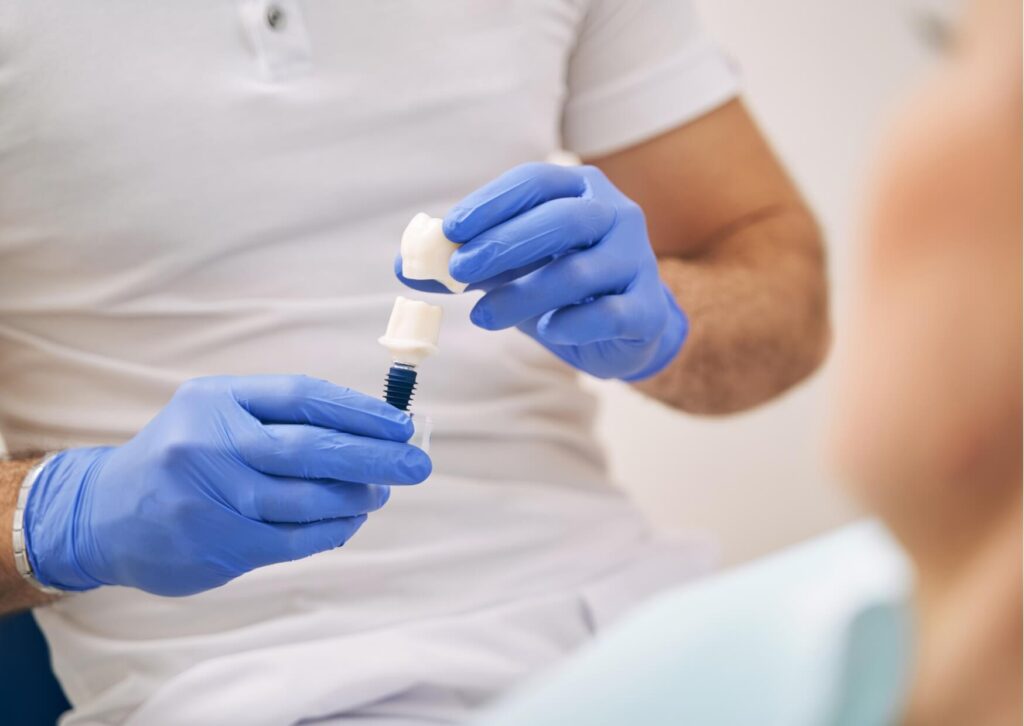
In many cases, implants are more durable and more bone-preserving than removable dentures. They also avoid cutting down adjacent teeth the way a traditional bridge often does.
Compared with bridges, implants may have a longer structural lifespan when the surrounding bone and gums stay healthy. Compared with dentures, implants usually provide better chewing efficiency and less movement.
Still, no option is maintenance-free. A well-made bridge can last many years, and an implant can fail early if plaque control, bite forces, or overall health are working against it.
When It Makes Sense to Ask for a Re-evaluation
If an implant crown feels high, loose, hard to clean, or different from the way it used to feel, it is reasonable to schedule an evaluation. Small changes in bite or gum contour can point to a problem that is easier to manage early.
This is especially true after a chipped crown, a new grinding habit, or treatment on nearby teeth that may have changed the way your bite comes together. Implant systems work best when forces across the mouth stay balanced.
For patients wondering how long dental implants last, the most practical answer is this: implants often last a very long time, but they last best when they are monitored like a high-value restoration. They should not be treated like a permanent part that never needs attention.
If an implant has started to feel different, a dental exam can help clarify whether the issue is simple maintenance, a repairable mechanical problem, or a deeper tissue concern before more support is lost.
If you’re considering dental implants, Empower Dental Rancho in Rancho Cucamonga (serving nearby Upland and Pasadena) can help. Call (909) 378-8677 to schedule a consultation.
FAQs
What can shorten the lifespan of a dental implant?
Poor oral hygiene, smoking, uncontrolled gum disease, teeth grinding, and certain medical conditions can reduce the longevity of a dental implant. Regular dental checkups and good home care help protect your investment.
Do dental implants require special maintenance?
Dental implants do not require special products, but they do need consistent care. Brushing twice a day, flossing around the implant, and attending routine dental cleanings are essential for keeping the surrounding tissues healthy.
Can a dental implant fail years after placement?
Yes. Although uncommon, an implant can fail years later if bone loss develops around it or if the surrounding gum tissue becomes infected. Early detection through routine dental visits can often prevent more serious problems.
Are dental implants more durable than bridges or dentures?
Dental implants are generally considered the longest-lasting tooth replacement option. Unlike traditional bridges, they do not rely on neighboring teeth for support, and they are more stable than removable dentures.
Can the crown on a dental implant be replaced?
Yes. If the crown becomes worn, chipped, or damaged, it can usually be replaced without removing the implant itself, provided the implant remains healthy and securely integrated with the bone.
Related Articles
Many parents assume orthodontic care starts after all permanent teeth come in. In reality, some…
A bone graft is not automatically part of implant treatment, but it is common. You…
Choosing between braces and clear aligners is usually less about trends and more about control,…
A beautiful smile starts with good oral hygiene, and continues beyond the dentist chair. Whole…
Flexible Payment Options
Get started in minutes with no impact on your credit—plus take advantage of 0% APR financing for up to 24 months.
- Quick approval process
- Soft credit check only—no effect on your score
- Apply funds to any dental service
Click below to check your eligibility—completely risk-free.